
You’ll notice that what you eat can influence how you cope with stress, because nutrient-rich patterns support brain function, regulate inflammation, and stabilize energy. Evidence suggests that balanced meals with fiber, lean protein, healthy fats, and micronutrients like iron, magnesium, B vitamins, and vitamin D help maintain mood and cognitive function during tough periods. The effect is modest and varies by person, but these patterns also support gut health and sleep, which may amplify resilience—so there’s more to explore beyond calories.
Key Points
- Patterned, nutrient-dense diets support brain function, energy metabolism, and inflammation control during stress, enhancing resilience rather than relying on single nutrients.
- Regular high-quality protein preserves lean mass and aids recovery, contributing to steadier mood and energy under pressure.
- Fiber-rich foods boost gut microbiota diversity, reducing systemic inflammation and supporting mood regulation and cognitive resilience.
- Adequate vitamins and minerals (D, B vitamins, iron, magnesium) correlate with energy, concentration, and mood with modest but meaningful effects.
- Pattern-based eating aligned with sleep and activity, plus reduced ultra-processed foods, fosters stability in glycemic control and stress responses.
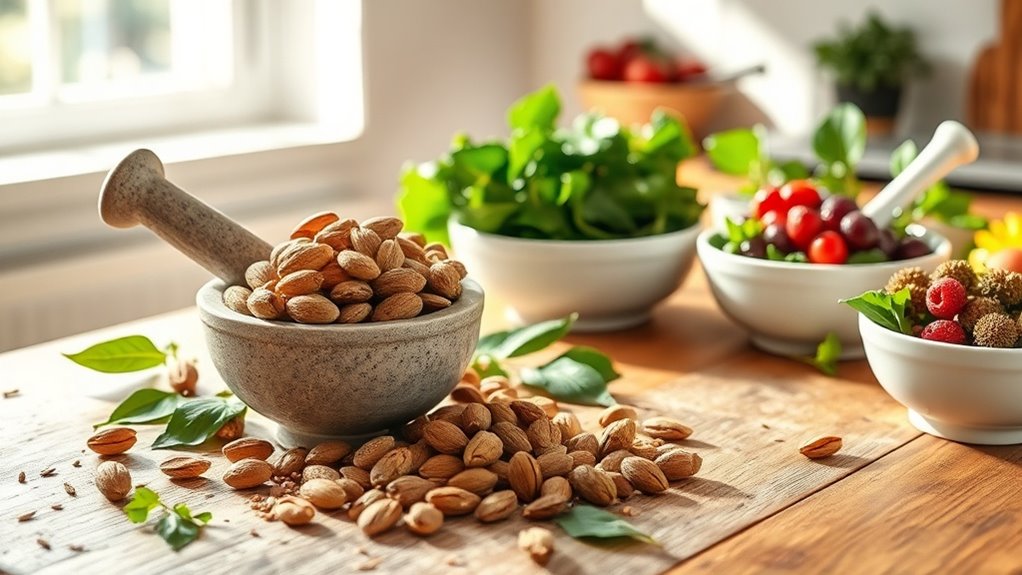
Resilience—our capacity to adapt to stress and recover from adversity—depends in part on what we eat. You’ll find that the link between nutrition and performance under pressure isn’t simple, but it is increasingly well characterized by data. Food resilience emerges when dietary patterns consistently supply nutrients that support brain function, inflammation control, energy metabolism, and gut health. In practical terms, this means choosing foods that contribute to stable glucose availability, adequate micronutrient status, and a balanced microbiome. The evidence base supports modest associations between certain dietary patterns and better coping across stressors, while acknowledging substantial individual variability and context.
Resilience grows from nutrient-rich patterns that support brain, gut, and energy under stress.
You’ll want to consider dietary adaptation as a framework for daily choices. This means recognizing that your body responds to chronic patterns rather than isolated meals. Regular servings of high-quality protein help preserve lean mass during stress and aid recovery processes, while fiber-rich plant foods support gut microbiota diversity, which in turn can influence systemic inflammation and mood regulation. Omega-3 fats from fish or fortified plant sources show small but consistent associations with markers of neuronal resilience and cardiovascular stability, particularly under sustained cognitive or physical load. Vitamin D, B vitamins, and minerals such as iron and magnesium appear linked to energy, mood, and concentration, though effect sizes are modest and highly dependent on baseline status.
You may notice that confidence in recommendations grows when studies emphasize pattern-based eating rather than single- nutrient slogans. Diets emphasizing fruit, vegetables, whole grains, lean proteins, and healthy fats—often labeled as balanced or Mediterranean-leaning—tend to show the most consistent, if modest, associations with resilience-related outcomes. These patterns correlate with reduced inflammatory markers, better glycemic stability, and improved sleep quality in some cohorts, all of which contribute to a robust response to stress. Caution remains warranted: better resilience does not guarantee immunity from fatigue or anxiety, and results can reflect confounding factors like physical activity, sleep, and social supports.
Your dietary adaptation should include a focus on regular meals that prevent extreme swings in energy. Hydration, caffeine timing, and the avoidance of ultra-processed foods can modulate acute stress responses, though effects vary by individual. When evaluating dietary choices, prioritize foods with demonstrated nutrient density and minimize ultra-processed items that deliver energy with scarce micronutrients. Finally, the evidence supports ongoing monitoring and personalization: what strengthens resilience in one person may do less for another, and small, sustained changes often outpace dramatic, short-term shifts. In sum, adopting a diet that emphasizes nutrient-dense foods, supports gut and vascular health, and aligns with your activity and sleep patterns constitutes a cautious, data-informed path to enhanced food resilience and dietary adaptation.
Frequently Asked Questions
How Quickly Do These Foods Affect Mood and Energy?
Eating within 30–60 minutes can lift mood and energy for many people, with faster effects from simple carbs and caffeine, while fats and fiber tend to show steadier changes over hours. Informed by timing and bioavailability, effects vary by person. Acknowledge that data are mixed and mood shifts are modest on average. You’ll likely notice quicker boosts after small, balanced meals, but long-term resilience depends on overall patterns, not single meals.
Is There a Recommended Daily Intake for Resilience?
There isn’t a universal daily intake for resilience, as needs vary by age, activity, and health. You should aim for balanced patterns rather than fixed grams or servings. Prioritize fiber, lean protein, healthy fats, and micronutrients with consistent intake. Resilience timing matters: distribute meals to stabilize mood and energy. If you’re managing stress or fatigue, consider a modest, evidence-based adjustment and monitor symptoms, consulting a clinician for personalized daily intake targets.
Do Supplements Replace These Resilience-Enhancing Foods?
Short answer: supplements don’t fully replace resilience-enhancing foods. You still need a consistent, balanced diet because Lack of consistency in nutrient intake can blunt benefits, and evidence gaps mean we can’t rely on supplements alone for lasting resilience. Supplements may help where gaps exist, but they’re not a substitute for whole foods. Use them cautiously, guided by data, and prioritize dietary sources while monitoring outcomes and potential interactions or adverse effects.
Which Populations Benefit Most From These Foods?
You’ll find that older adults, new mothers, and people with chronic illness are among the populations that benefit most from resilience‑supporting foods. In studies, reduction in fatigue and improved recovery surfaces particularly in these groups. You should note tailored dietary needs vary by age, activity, and health status, so adjustments matter. While data are promising, you’re advised to interpret findings cautiously and consider individualized plans rather than universal prescriptions.
Are There Potential Interactions With Medications?
The answer is yes—there can be interactions with medications. You should review any potential food–drug interactions and seek cautionary guidance from your clinician. Nutrient timing, grapefruit, vitamin K–rich greens, and antioxidants can alter effects or absorption in some prescriptions. If you’re taking anticoagulants, statins, or antiarrhythmics, monitoring is essential. Report new foods or supplements, and don’t adjust doses without professional input. Evidence is mixed; approach changes conservatively and with physician supervision.