
Some foods can make you feel more on-edge because they nudge your brain and body toward stress signals. Caffeine blocks calm-down adenosine, boosting alertness and jitters; spicy meals trigger the sympathetic system, especially when you’re stressed or hungry. High-sugar, processed foods can cause quick mood swings, and alcohol disrupts sleep. Dairy or intolerances may also matter. Start with mindful tweaks and note what shifts you, then weigh your next choices against how you actually feel.
Key Points
- Caffeine blocks calm-down adenosine signals, boosting alertness but causing jitters, anxiety, and racing heart, especially on empty stomach or near bedtime.
- Spicy foods trigger the sympathetic nervous system, raising heart rate and perceived stress, with effects amplified during high stress or poor digestion.
- High-sugar and highly processed foods cause rapid glucose swings and irritability, influencing mood and energy crashes.
- Dairy or intolerance issues can modulate spicy or hot foods, potentially tempering or worsening discomfort and anxiety symptoms.
- Alcohol and irregular sleep disrupt mood and sleep quality; pairing meals with fiber and protein helps stabilize mood and energy.
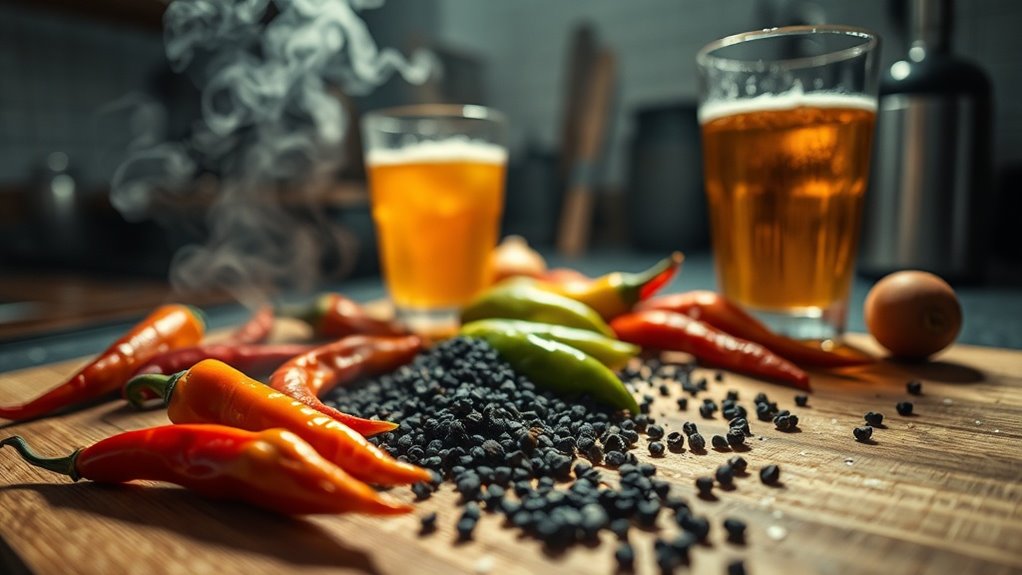
Ever wonder why certain everyday foods can leave you feeling more jittery or on edge? You’re not imagining it. Your body’s reaction depends on a mix of nutrients, timing, and your individual sensitivity. For many, caffeine anxiety is a primary driver. Caffeine blocks adenosine, the brain’s calm-down signal, which can heighten alertness but also spark nervousness, shaky hands, and a racing heartbeat—especially if you consume it on an empty stomach or close to bedtime. If you’re prone to anxiety, you might notice stronger effects from coffee, energy drinks, or certain teas. Spreading caffeine intake through the day, and pairing caffeinated beverages with a small, protein-rich snack, can blunt peaks in blood sugar and ease some jitters. If you suspect caffeine is a trigger, try a several-day caffeine reset: reduce quantity, switch to a milder beverage, or replace with decaf varieties to observe changes in how you feel.
Managing jittery feelings? Try a caffeine reset and gentler sips to steady energy.
Spicy triggers are another common on-edge cue. Capsaicin, the compound that gives peppers their heat, can stimulate the sympathetic nervous system, increasing heart rate and perceived intensity of stress. The effect can be situational: when you’re already stressed, spicy foods may amplify the sensation. For some people, spicy meals delay digestion or irritate the gut, which can create a uncomfortable diaphragm pressure, leading to unease or restlessness. If you notice heightened tension after spicy meals, you don’t have to quit them entirely. Instead, consider moderating portion size, pairing spicy foods with cooling or bland sides, and avoiding spicy dishes on days you have important meetings or sleep pressure. If intolerance is real, you might respond better to milder peppers, or to cooling dairy products that can temper capsaicin’s burn.
Beyond caffeine and spice, other common culprits include high-sugar foods, alcohol, and highly processed meals. Quick sugars can trigger rapid swings in blood glucose, followed by a crash that leaves you feeling irritable or fidgety. Alcohol can disrupt sleep architecture and worsen anxiety in some people, even if you don’t feel intoxicated. Processed foods often contain additives, artificial sweeteners, and high sodium, which can influence mood, hydration, and digestion, subtly elevating tension. You can test these items with a practical approach: eat balanced meals that include fiber and protein, stay hydrated, and monitor how you respond to small changes. Keeping a simple diary for a couple of weeks helps identify your personal coffee, chili, sugar, or alcohol triggers.
To reduce on-edge sensations, anchor meals with protein, fiber, and healthy fats, pace your eating, and obtain regular sleep. Mindful preparation—knowing your usual reactions, timing consumption away from stressful events, and selecting gentler alternatives when needed—empowers you to manage sensitivity. If you’re navigating persistent anxiety symptoms, consult a clinician to rule out conditions that mimic or amplify food-driven jitteriness. The goal isn’t perfection but practical control: you’ll likely discover a diet pattern that sustains steadier energy and calmer days.
Frequently Asked Questions
Do Caffeine Levels Determine the Urge to Feel Anxious?
Caffeine levels can influence your urge to feel anxious, but it isn’t the whole story. You’ll notice caffeine anxiety rises with higher caffeine dosing, genetic sensitivity, and existing stress. Start with modest caffeine dosing, monitor timing, and track symptoms. The suspense lies in your body’s balance: if jitters, irritability, or heart racing appear, cut back and spread intake. Evidence suggests slow, gradual dosing often reduces anxiety compared with large, concentrated bursts.
Can Spicy Foods Trigger Rushes or Jitters for Some People?
Yes, spicy foods can trigger rushes or jitters for some people. Spicy caffeine combinations can amplify sympathetic activation, while capsaicin may elevate heart rate and digestion signals, contributing to jitters in sensitive individuals. If you notice symptoms after spicy meals, pace your intake, stay hydrated, and consider timing around caffeine. Track how different foods affect you to identify triggers, and consult a clinician if anxiety or digestive distress persist. Spicy caffeine interactions can matter for you.
How Do Sugar Highs Relate to Feeling Tense or Alert?
Do sugar spikes relate to feeling tense or alert? Yes—brief bursts of glucose can boost alertness briefly, followed by a crash that may leave you tense or irritable. You’ll notice alertness waves as your blood sugar fluctuates, so you might feel suddenly energized, then fatigued. Keep portions moderate, pair sugar with fiber or protein, and stay hydrated. If you’re sensitive, you may want to thin out high-sugar foods to avoid recurring spikes.
Do Food Additives Contribute to Restlessness or Insomnia?
Yes, certain additive types can contribute to restlessness or insomnia, especially if you have caffeine sensitivity or anxiety triggers. You’ll want to track doses like caffeine and spicy foods, and notice spikes in sugar, which drive jitters and post meal tension. Hydration influence matters, since dehydration amplifies alertness. Consider the restlessness effects of artificial additives, and reduce intake if you notice sleep disruption. You can improve sleep by moderating consumption and timing to limit late-evening caffeine and sugar spikes.
Can Hydration Affect Feelings of Being on Edge After Meals?
Hydration can affect how edge you feel after meals. When you’re under-hydrated, your body signals imbalance and you might notice jitteriness or restlessness. Prioritize post meal hydration with water or electrolytes to stabilize nerves and energy. Think of hydration anxiety as a quiet drumbeat you can quiet by sipping steadily. Practical tip: aim for steady 200–250 ml, then adjust. You’ll likely feel calmer, more focused, and better post meal.