
To support deep rest, you should dim warm light in the evening, brighten it during the day, and keep the room cool; you should use breathable bedding and a consistent temperature, minimize noise with steady sound, and place the bed for safety and quiet. You should routinize a wind-down ritual and a stable bedtime, and you should layer subtle scent and predictable cues to ease transitions. If you combine these elements, you’ll uncover the quiet that awaits, just beyond the next choice you make.
Key Points
- Use dim, warm evening lighting with low blue content and bright daytime lighting to support circadian alignment and sleep pressure.
- Choose a medium-firm, breathable mattress and pillows; keep a cool room (60–67°F/15–19°C) with a breathable cover.
- Implement deliberate sound: white noise or steady background sound to reduce awakenings and maintain sleep continuity.
- Optimize bed placement and a quiet, device-free area; close the door or use a dense curtain to minimize disturbances.
- Establish a gentle wind-down and consistent routine with neutral scents to cue relaxation and smoother sleep transitions.
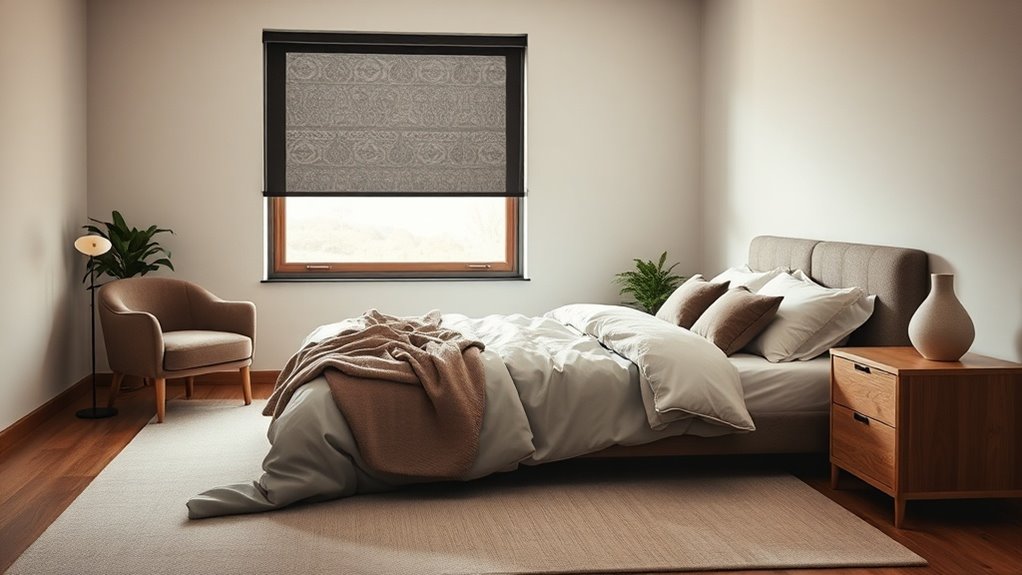
Is a calm, well-designed bedroom truly essential for better sleep and recovery? Yes, and you can optimize it without dramatic changes. You’ll focus on structure, stimuli, and timing that align with sleep physiology and practical constraints. Sleep architecture matters because the brain cycles through stages of light sleep, deep sleep, and REM, each serving restoration, memory consolidation, and hormonal balance. Your room should support these stages by minimizing disruptions and controlling cues that misalign circadian timing. Start with light exposure: ambient lighting shapes when your brain expects morning and night. During the evening, use dim, warm light that reduces blue content and signals your body to prepare for sleep. In the day, brighter light can sharpen alertness and help your internal clock stay aligned with the day’s schedule. The room’s lighting plan matters more than you might assume, because inconsistent or harsh lighting can fragment sleep pressure and delay sleep onset.
A calm bedroom supports sleep stages by shaping light, timing, and cues for deeper rest.
Your mattress, pillow, and linens anchor comfort, which influences how quickly you fall asleep and how you cycle through sleep stages. Choose a medium-firm to firm option that supports your spine in neutral alignment, paired with breathable coverings to prevent overheating. Temperature is a close ally; aim for a cool environment around 60 to 67 degrees Fahrenheit (15 to 19 Celsius). A subtle, breathable cover can help you maintain that range throughout the night, avoiding night sweats that wake you during deep or REM sleep. Noise considerations should be deliberate, not merely tolerated. If external sounds intrude, white noise or soft, consistent background sound can blunt abrupt changes that wake you or shift sleep stages.
Your bed placement and room layout influence perceived safety and comfort, both of which affect sleep onset and continuity. Keep the sleeping area quiet and free of work-related stimuli. Close the door or use a denser curtain to dampen disturbances from adjacent spaces. Remove electronic devices or place them out of arm’s reach to reduce reactive checking that fragments sleep pressure. The objective is to create a sensory environment that signals the body to relax, not to engage with stimulating content. Assess scent carefully; a light, neutral aroma can aid relaxation, but overpowering fragrances may trigger sensitivity or headaches and disrupt sleep stages.
Implement a wind-down ritual to reinforce depth and stability in sleep. Consistent bedtimes and pre-sleep routines support your brain’s expectations for sleep architecture, improving deep sleep and REM duration. If you track your sleep, look for smoother transitions between stages and reduced awakenings rather than longer total time in bed alone. Your goal is a room that minimizes arousal, supports thermoregulation, and provides stable ambient lighting cues that align with your biology, so you can experience restorative deep sleep and efficient recovery night after night.
Frequently Asked Questions
Should I Use a White-Noise Machine Every Night?
“Where there’s a will, there’s a way.” You can use a white-noise machine most nights if it helps your sleep quality, but be mindful of potential drawbacks like masking important sounds or creating dependence. Weigh white noise benefits against noise sensitivity and your environment. Pair it with atmospheric lighting and a consistent routine. If you notice grogginess or tinnitus, adjust volume or skip certain nights. Monitor effects and adapt to support deeper rest.
Can Daylight Exposure Affect Sleep Quality in Bedrooms?
Yes, daylight exposure can affect sleep quality. You benefit when avoiding bright light late in the evening and getting natural light in the morning to support your circadian rhythm. In your bedroom, optimize room lighting with dim, warm cues at night and brighter, blue-enriched light during the day. This alignment helps regulate sleep quality by stabilizing circadian signals and improving alertness, mood, and overall restorative sleep.
Is Evening Exercise Okay for Deep Rest-Focused Bedrooms?
Evening exercise is generally fine, but it can disrupt deep rest if you train too close to bedtime. If you choose workouts earlier in the evening, you give your body time to cool down and hormones to normalize. Watch for sleep onset latency and fragmented sleep. Consider lighter, moderate sessions and avoid high-intensity intensity within three hours of sleep. Weigh evening exercise against deep rest tradeoffs to optimize overall sleep quality.
Do Plants Improve or Hinder Sleep Environments?
Plants generally improve sleep environments by boosting humidity and filtering air, but they can hinder if you overwater or pick species with strong nocturnal odors. You’ll benefit from plants ecology insights—choose low-maintenance options and ensure proper air filtration and drainage. With careful placement, they support deep rest; otherwise, they may cause mold or stale air. You’ll notice subtle improvements in air freshness and mood when managed responsibly.
What’s the Ideal Room Temperature for Deep Sleep?
The ideal temperature for deep sleep is typically around 60–67°F (15–19°C). You’ll likely feel more rested when your bedroom is slightly cooler than your daytime comfort. Target a consistent sleep temperature and avoid abrupt changes. Factors like bedding, humidity, and personal preferences matter, but sticking to a cool, steady range supports core body temperature drop and deeper sleep stages. Ideal temperature, Sleep comfort.